Private Well Testing for Homes, Farms, & Facilities
Well Water Testing Service
If your home, farm, or operation relies on a private well, regular testing is essential for keeping your water safe. Proper testing helps you identify chemicals, bacteria, and minerals that can affect health, damage equipment, or create problems for crops and livestock.
You can collect the sample yourself with one of our well water test kits, or you can schedule a visit and we will take the sample for you. After collection, the water is tested in our lab for a full analysis. Clean Water Lab is certified by the state of North Carolina to provide third party well water testing for residential use, agricultural clients, and government needs. This includes the testing required for USDA, FHA, and VA loans.

Coliform Bacteria
Keep Disease-Causing Pathogens Out of Your Drinking Water
Coliform bacteria, including E. coli and total coliform, occur naturally in the environment, but they have no place in well water. Runoff, sewage, and animal waste can carry these bacteria into a well, and once that happens, the water is no longer safe to drink.
A positive coliform result means the purity of your water has been compromised. E. coli in particular can cause stomach pain, diarrhea, and headaches, and it can make young children, older adults, and people with weakened immune systems seriously ill.
It is recommended to test your well annually for coliform bacteria, and again after heavy storms or flooding. Clean Water Lab offers convenient take-home kits for water sampling. Once your sample is received at the lab, we can determine whether bacteria are present. We also provide bacterial enumeration for surface water samples.

LEAD
Protect Against the Debilitating Effects of Lead Poisoning
Lead is a heavy metal that can enter well water when old plumbing begins to corrode or when soil around the system starts to break down. Even low levels can cause long term health problems, which is why the limit for lead in drinking water is set at 15 parts per billion. Infants and children are especially sensitive. Too much lead can affect learning, behavior, hearing, and speech. Adults can experience kidney problems, high blood pressure, fertility issues, nerve disorders, and memory concerns.
Lead contamination in wells is more common than many people realize. It can come from pipes, pumps, valves, and other components that slowly release lead into the water. The longer the water sits in the system, the more the concentration can increase.
Nitrates and Nitrites
Guard Against Deadly Chemical Poisoning
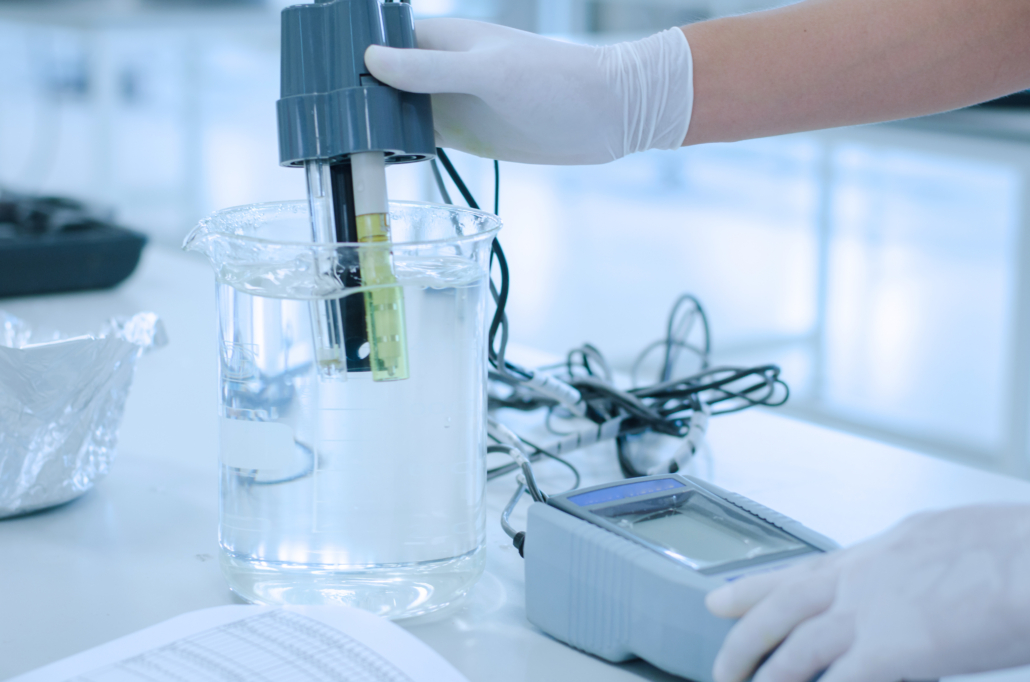
Nitrates and nitrites are often called silent risks because you cannot see, smell, or taste them. These compounds reduce the amount of oxygen your blood can carry, and high levels are especially dangerous for infants under 6 months old. Babies who drink water or formula mixed with contaminated well water can develop a condition known as blue baby syndrome, which affects breathing and requires immediate medical care. Adults exposed to elevated levels over time may face health issues related to the blood, heart, metabolism, and other systems.
If you rely on a private well, it is important to test for these chemicals each year. Families planning a pregnancy or caring for an infant should test their water as soon as possible. Clean Water Lab can collect the sample on site or provide a kit if you prefer to do it yourself.
Water Hardness
Maintain and Extend the Lifespan of Your Fixtures and Appliances
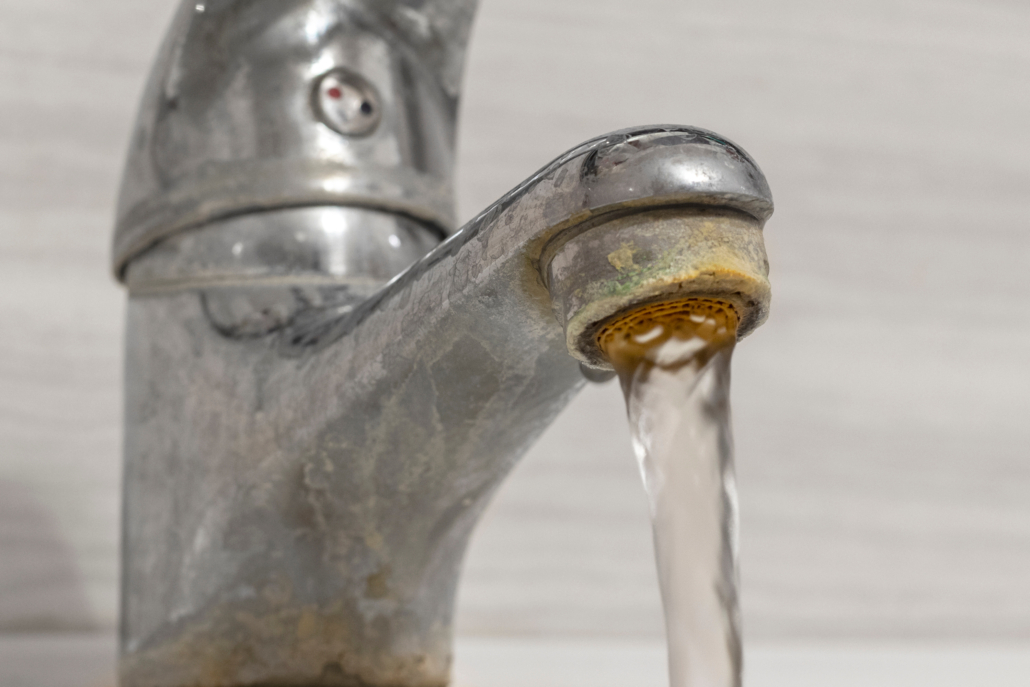
If you find yourself constantly scrubbing tubs and faucets or your laundry never looks fully clean, hard water may be the reason. Calcium and magnesium are common in many well systems and often appear as dissolved calcium carbonate measured in milligrams per liter. When the level rises above 75 milligrams per liter, the water is considered hard.
Hard water is safe to drink, but it can create plenty of frustration in your home. Mineral buildup can collect inside pipes and fixtures, reduce water flow, and place extra strain on appliances like water heaters, washing machines, and coffee makers. It also makes everyday cleaning more difficult because soap residue builds up quickly.
Our lab testing services can show you exactly how hard your water is. Once you know the mineral levels, you can choose a treatment option that works for you.

IRON
Reduce Staining and Biofilms in Your Well
Iron is a common metal that can find its way into well water through rain, surrounding groundwater, and older plumbing or tanks that have begun to corrode. When iron dissolves into your water, it can leave stubborn stains on fixtures and create a slimy biofilm in sinks and tubs. High levels can also give your water a reddish brown tint, create visible sediment, and leave a metallic taste.
The EPA recommends keeping iron levels below 0.3 milligrams per liter. If you notice yellow, brown, or reddish water, or staining around your home, a lab test can show exactly how much iron is present.

COPPER
Protect Your Water from Excess Copper
If your plumbing includes copper pipes or you live near agricultural areas, industrial sites, or former mining operations, there is a chance your well water could contain elevated copper.
Copper is safe in small amounts, but high levels can be harmful. Drinking water should not contain more than 1.3 milligrams of copper per liter. Too much copper can cause headaches, nausea, stomach cramps, vomiting, and diarrhea. Long term exposure can affect the kidneys, liver, and blood cells. This is why an annual water test is important for anyone who relies on a private well.
Manganese
Reduce the Harmful Effects of High Mineral Concentrations
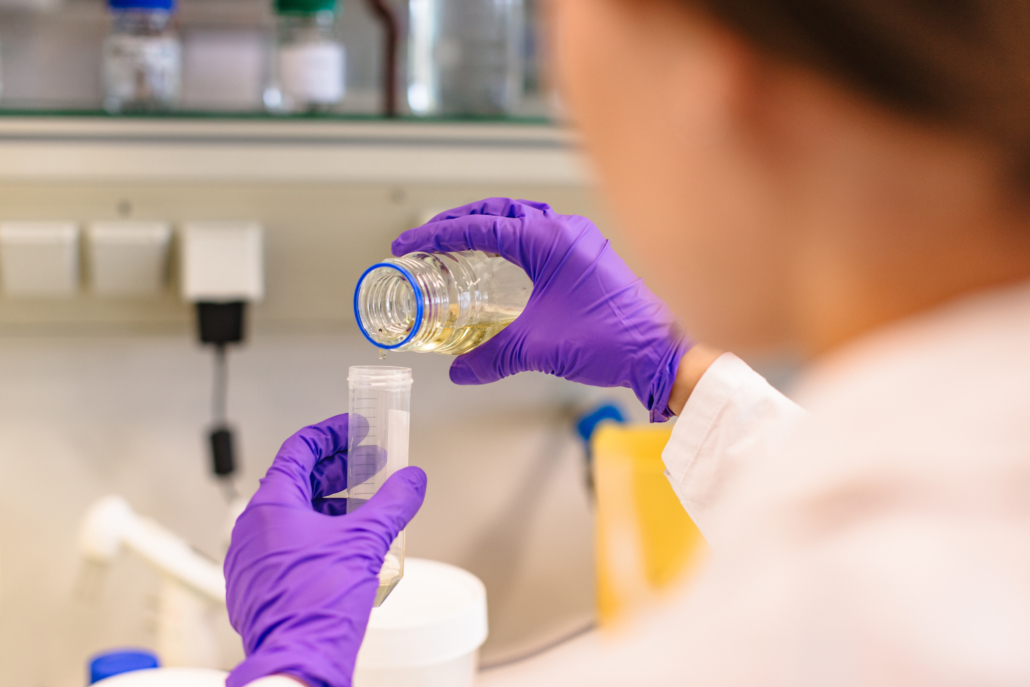
Manganese is a naturally occurring mineral commonly found in groundwater and is an essential part of the human diet. However, elevated levels of manganese in drinking water can be harmful to human health. Concentrations above 0.3 mg per liter may be of particular concern for infants. Elevated manganese can affect attention, memory, and motor skills.
Water with excess manganese often tastes bitter or metallic. It can also appear darker than normal. Over time, this mineral can leave brown or black staining on sinks, tubs, tiles, and appliances.
The only way to know your manganese level is through proper testing.
Reliable Timelines & Straightforward Results
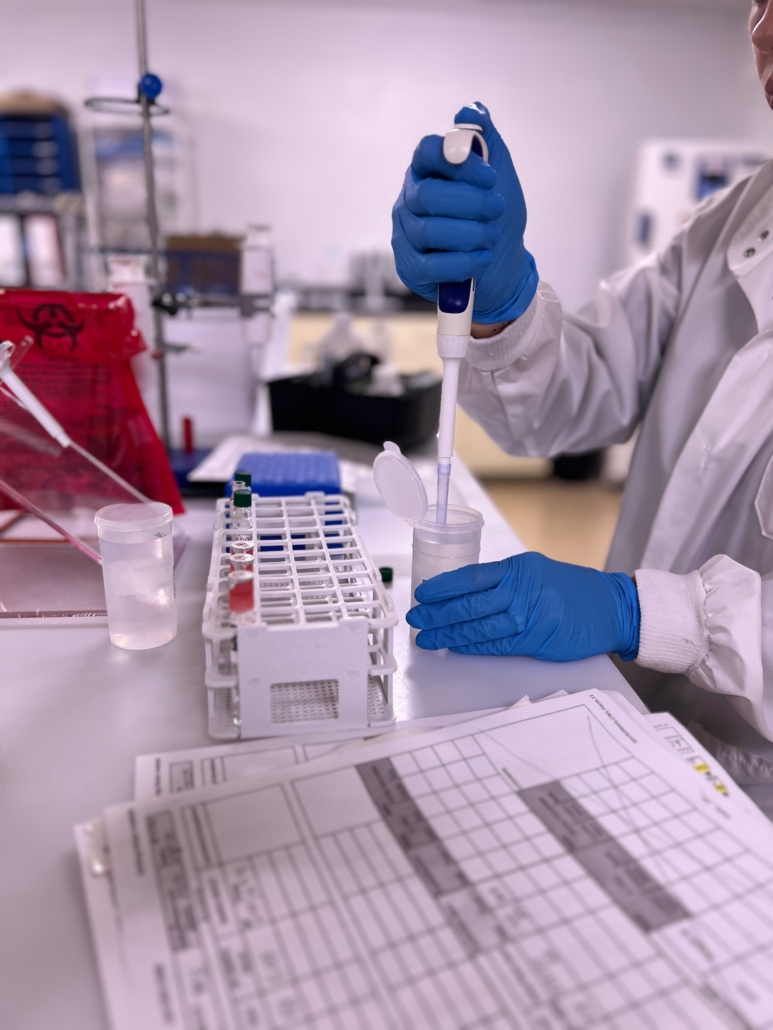
When you submit a sample, you deserve answers without long waits. Clean Water Lab prioritizes efficient testing so you can move forward with confidence. Our team processes each sample promptly, and every result is independently verified to support accuracy.
Your report is written in a clear and easy way to help you understand the testing process and your results. Any concerns will be shown directly in the report so you can review them at your own pace. If something feels confusing or you want a little guidance, our team is always happy to help and answer your questions.
Collect Your Own Sample
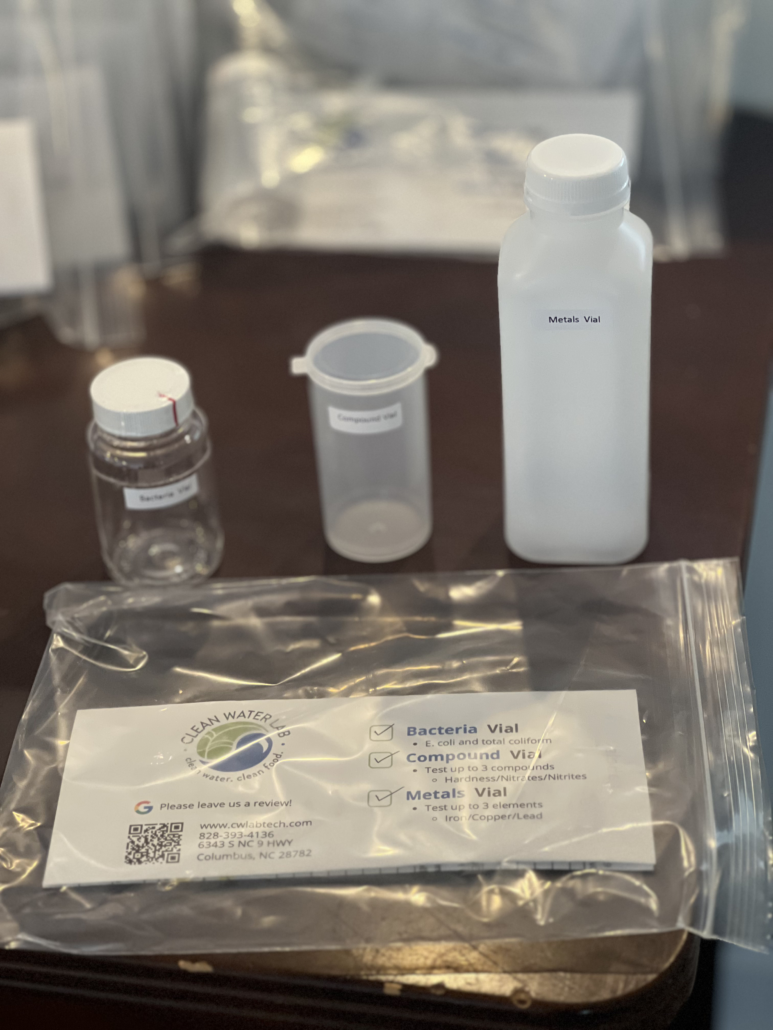
If you want to collect your own well water sample, you can pick up a test kit at our office Monday through Friday. The kit includes the proper containers and clear instructions for returning your sample.
Some tests are time sensitive, especially when checking for bacteria. When you pick up your kit, our team will explain how soon the sample should be returned based on the type of testing you need. Once it is back in our lab, we take care of the full analysis.
Our Mission Is Simple.
We do honest work backed by real science. We care about giving you answers you can trust, so you feel confident making the decisions that matter most.
We're here to help!
Phone
Call for immediate assistance.
Office
Locally Owned & Operated.